





Connected
Integrates across enterprise systems and tools
500+ enterprise integrations

Governed
Business rules and controls built into AI context
Up to 30% fewer decision errors

Always on
Context stays current across interactions and events
Up to 40% faster response to change


Your AI might have the intelligence. What it’s missing is enterprise context.
While enterprises have dozens of powerful systems, your customer only sees one relationship. And no single system can see across all relationships, dependencies and rules that shape a decision.

Every enterprise system sees only part of the picture
CRM, ERP, ITSM and operational systems each hold valuable intelligence, but decisions often depend on context spread across several of them.

Critical relationships remain hidden across systems
Customers, products, assets, suppliers and events are connected in reality, but their relationships remain fragmented across enterprise applications.

AI inherits fragmented enterprise context
AI may access information from multiple sources, but without shared business meaning and relationships, it still lacks the context to reason effectively.

Important dependencies surface too late
Operational, customer, commercial or policy implications remain hidden when decisions are made within isolated systems and workflows.

More integrations do not create understanding
Connecting systems move information, but they do not automatically explain data relationships, what they mean or how they matter to a decision.
Give enterprise AI a shared understanding of your business
Commotion combines Agentic Ontology and Enterprise Context Graph to give AI a shared meaning of your business. Agentic Ontology defines entities, relationships, roles and rules. Context Graph connects them with history, dependencies and events so AI can reason across systems with relevant enterprise context.

Agentic Ontology
Maps your world automatically, connecting the dots across every system. AI agents profile your CRM, policies, SOPs, and contact centre data to build the ontology. What takes a consulting team months, done in days.

Context Graph
With an owned graph your data flows across, get a structured representation of all relevant information, relationships, and dependencies surrounding a user query, task, or situation for your AI strategy.

AI Workers
Build and deploy AI workers that operate on top of the intelligence layer created by the ontology and context graph and connect directly in your systems to get work executed.
How connected context creates value across industries
See how enterprises across industries can use Commotion Context Graph to drive measurable outcomes.
Turn every field interaction into a growth opportunity
Connect account potential, sales performance, territory intelligence and market signals to identify where to focus efforts and unlock growth opportunities.

Combine customer needs, purchase history, product interest and past interactions to recommend the right products, cross-sell opportunities and next-best actions during every visit.

Connect field interactions with orders, inventory, service requests and business workflows to resolve issues, automate follow-ups and turn sales opportunities into action.

Make faster, smarter decisions across the insurance lifecycle
Bring together policy rules, claims history, documents and customer context so claims can be assessed faster and with greater consistency.
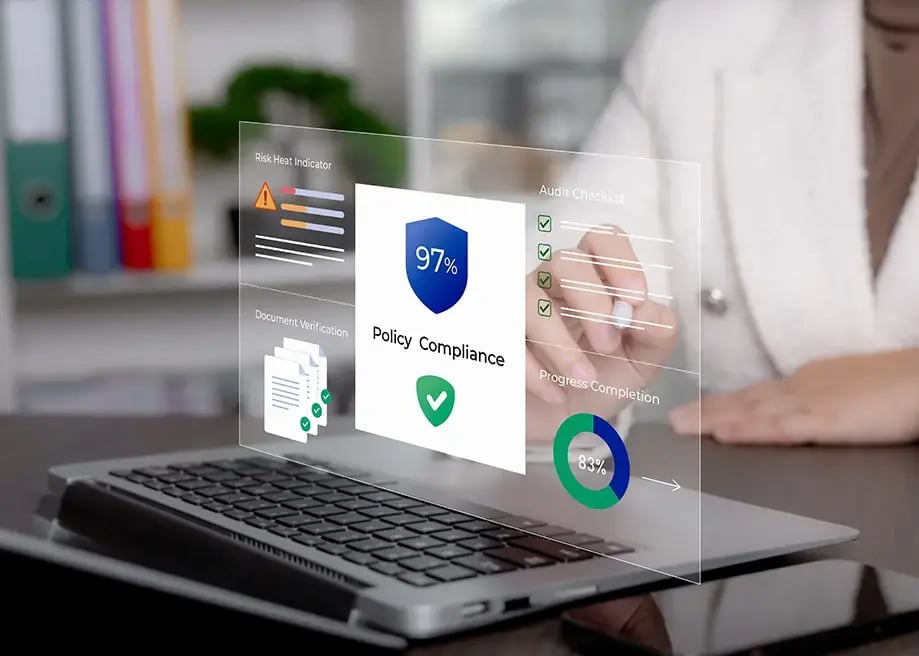
Connect relationships across customers, policies, devices, transactions and prior claims to surface hidden risk patterns earlier.

Give AI a complete view of policy status, customer history and servicing signals to support more relevant retention and servicing actions.

Turn connected customer intelligence into growth
Combine customer preferences, behaviour, loyalty and product context to improve recommendations and next best actions.

Connect inventory, orders, payments, stores and fulfilment events so issues can be identified and resolved with full context.

Use connected purchase, service and journey history to identify friction, recover experiences and drive more relevant engagement.
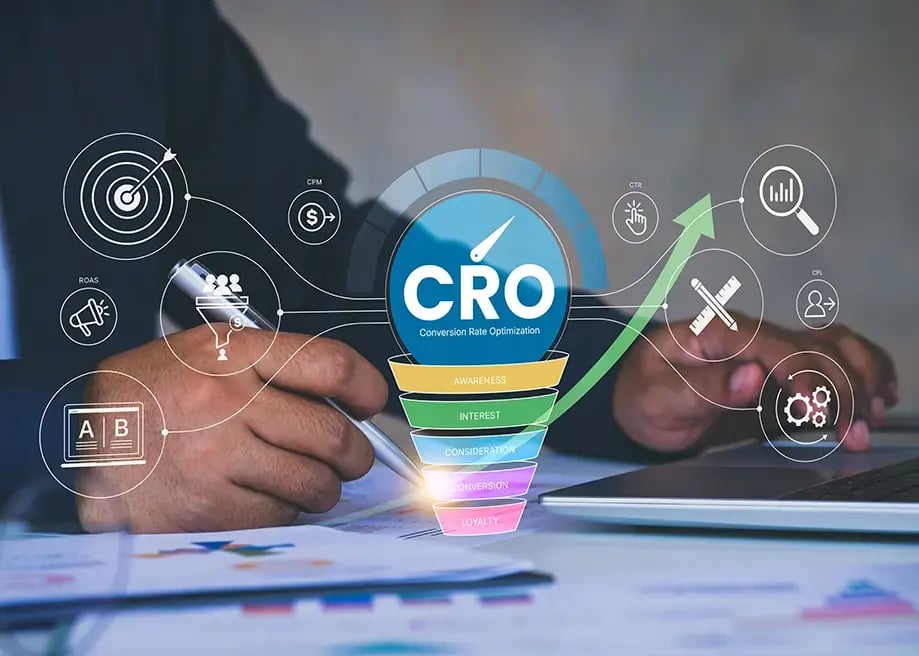
Move from operational visibility to proactive decisions
Connect incidents, assets, systems, suppliers and regulatory obligations so teams can prioritise issues based on wider business impact.
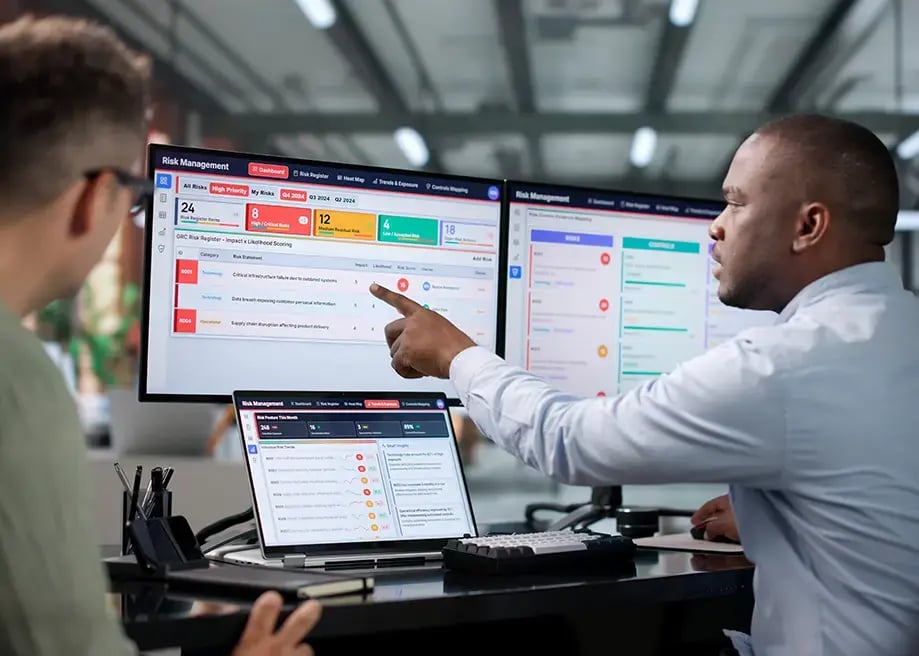
Map supplier, component, product and dependency relationships to identify where disruption could affect downstream production.

Give security, operations, supply chain, finance and warranty teams shared context so they can act from the same enterprise picture.

Turn operational complexity into seamless passenger experiences
Connect passenger, itinerary, flight and operational context so recovery options can be prioritised more intelligently.

Bring together loyalty, connections, service history and disruption data to support more relevant passenger decisions.

Give AI Workers shared context to align rebooking, servicing, notifications and operational actions across multiple systems.

Drive smarter decisions across the entire ownership journey
Connect model interest, dealer activity, finance needs, exchange requirements and prior conversations to move qualified leads forward faster.

Bring together vehicle history, warranty, service events and customer preferences to identify the right next action across the ownership lifecycle.
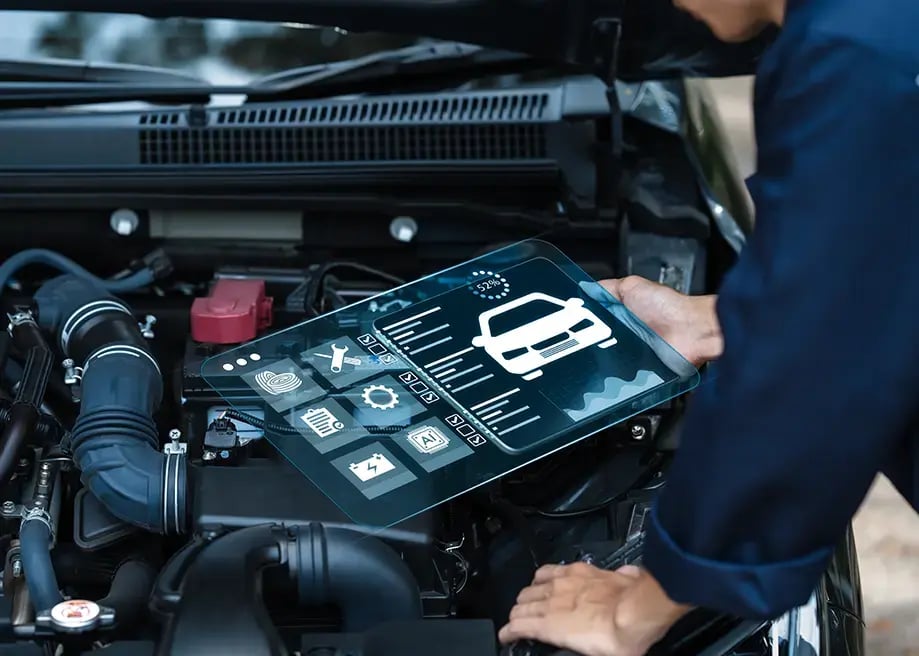
Give sales, service and retention teams shared context so customers do not have to repeat information across touchpoints.

How connected context creates enterprise value

See across enterprise silos
Connect relationships and dependencies that remain invisible when information is viewed within individual systems.

Make better informed decisions
Give AI the business meaning, history, and current context needed to understand what matters before determining an action.
Reuse context across AI Workers
Allow multiple AI Workers to operate from the same enterprise understanding rather than rebuilding context for every workflow.

Respond to changing conditions
Keep enterprise context current as interactions, decisions, events, and operational conditions evolve.
Connect intelligence to execution
Extend contextual understanding directly to AI Workers so decisions can translate into governed enterprise action.
Why choose Commotion Context Graph and Agentic Ontology?
Commotion combines Agentic Ontology, Context Graph, governance and AI Workers within one AI Operating System, connecting enterprise understanding for smarter and auditable actions.
Why choose Commotion Context Graph and Agentic Ontology?
Commotion combines Agentic Ontology, Context Graph, governance and AI Workers within one AI Operating System, connecting enterprise understanding for smarter and auditable actions.
Maps your enterprise knowledge faster
-
Use AI-assisted discovery to map the entities, relationships, policies and processes that define how your business works.
Connects context across systems, not just data
-
Bring together relationships, history, interactions, events and dependencies across enterprise systems into one contextual layer.
Keeps context persistent and current
-
Preserve relevant history while continuously incorporating new interactions, decisions and events as your business changes.

Grounds AI in business rules and boundaries
-
Embed policies, roles, permissions and operating rules into the context AI uses to reason and make decisions.
Powers multiple AI Workers
-
Give AI Workers shared enterprise context they can reuse across functions and workflows, connecting reasoning directly to governed execution.


Explore resources


BLOG
Commotion outperforms other Voice AI models in independent Voice AI benchmark
A rigorous blind human evaluation by Josh Talks Research placed Commotion ahead of three globally recognised providers...
BROCHURE
An AI-first customer experience platform
An AI-first Customer Experience Platform built for the experience economy. The platform unifies data, automation, and engagement in one composable stack...
