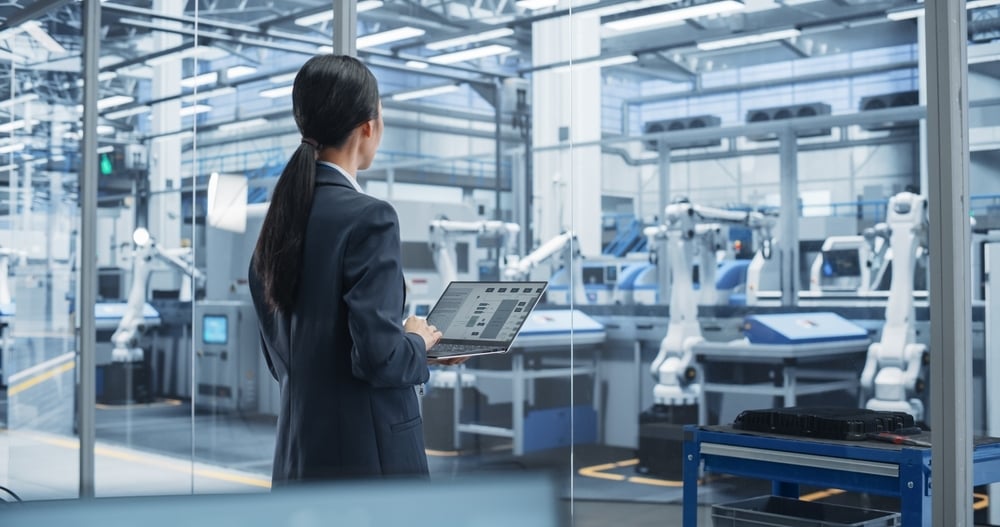
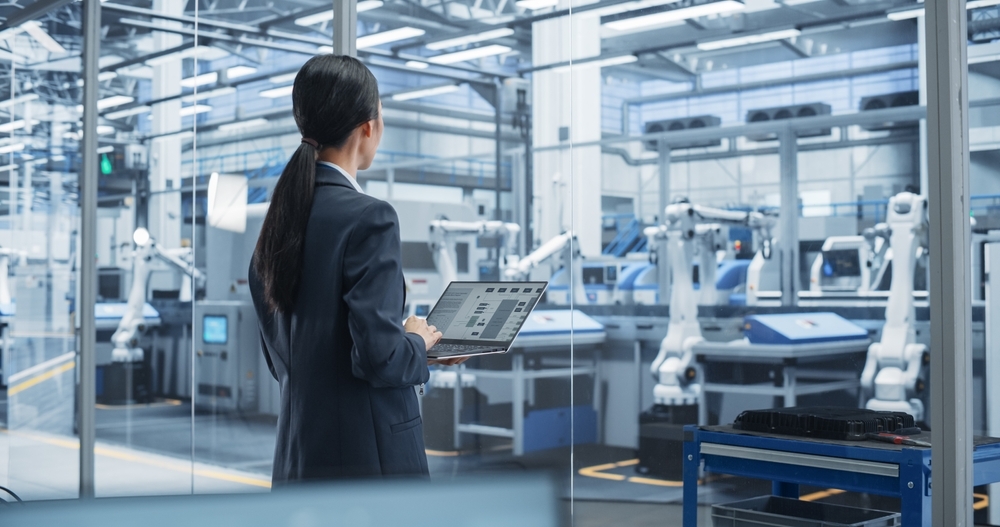
For years, the industrial conversation revolved around one question: How do we make factories faster and more efficient? In many industrial environments, systems were designed to react after something had already gone wrong.
An alarm would go off after a machine overheated. Emergency protocols would begin after a worker collapsed. Maintenance teams would intervene only after a breakdown disrupted operations. That reactive industrial mindset shaped earlier phases of manufacturing, but it no longer fits the scale, complexity and expectations of modern industrial ecosystems. Then production lines became smarter. Machines became connected. Automation became the benchmark of progress. Yet somewhere in this race towards efficiency, the human being on the shop floor often remained secondary to the system around them.
Industry 5.0 is beginning to challenge this approach. Unlike earlier industrial transitions that focused primarily on digitisation or automation, the next phase of industrial evolution is placing humans back at the centre of the conversation.
This shift is not about slowing down automation or reducing technological ambition. It is about recognising that the real value of intelligent systems lies in how effectively they can support, protect and empower the people working around them.
The future factory will not be defined only by connected machines or autonomous production lines. It will be defined by how intelligent technology proactively responds to various operating parameters and to human risk and safety.
Predictive safety is becoming the new industrial intelligence
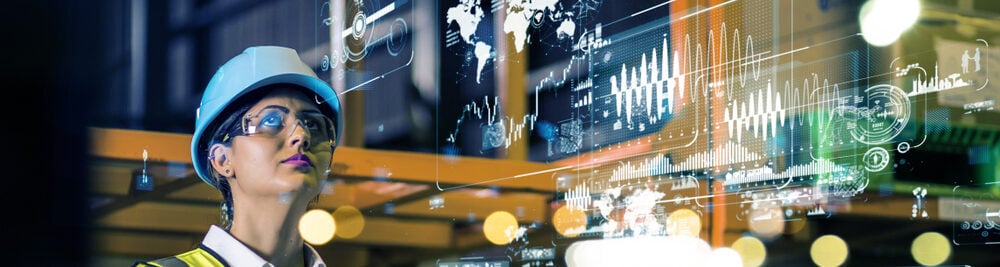
Today’s manufacturing environments are generating unprecedented volumes of operational data through sensors, cameras, enterprise systems and connected infrastructure, yet in discrete silos. The significance of this transformation lies in how that data can be brought together efficiently and effectively to run the operations from a single pane of glass.
AI-embedded systems are enabling factories to move from delayed responses to continuous risk assessment. Equipment no longer needs to fail before anyone notices. Systems today are designed to identify any machine parameter change, any input or output material property changes or environmental parameter changes through a set of AI LLM tools integrated in the manufacturing environment. All of this can help predict any product quality degrades or possible causes that may cause potential harm to humans in the manufacturing environment.
This same predictive layer is now extending to workforce safety as well. Industrial environments often involve heavy equipment, hazardous zones, extreme temperatures and continuous production cycles where response time becomes critical. In such settings, the first few minutes after an incident can determine the severity between a near-miss and a fatality.
This is why connected worker technologies are becoming increasingly important within Industry 5.0 environments. Wearables equipped with heart rate monitoring, fall detection, movement analysis and location intelligence are helping organisations build real-time visibility into working conditions. At the same time, video analytics systems can verify whether safety harnesses are being used correctly, whether restricted areas are being accessed without authorisation, or whether workers are exposed to unsafe environmental conditions for extended periods.
Safety systems used to just watch and warn us when things went wrong. But thanks to AI and connected tech, they’re becoming proactive. They can now spot risk patterns and step in before an incident happens. For continuous manufacturing, where a few minutes of downtime can disrupt production schedules, being able to predict and prevent those disruptions is a decisive shift in operational resilience.
Building Industry 5.0 around human resilience
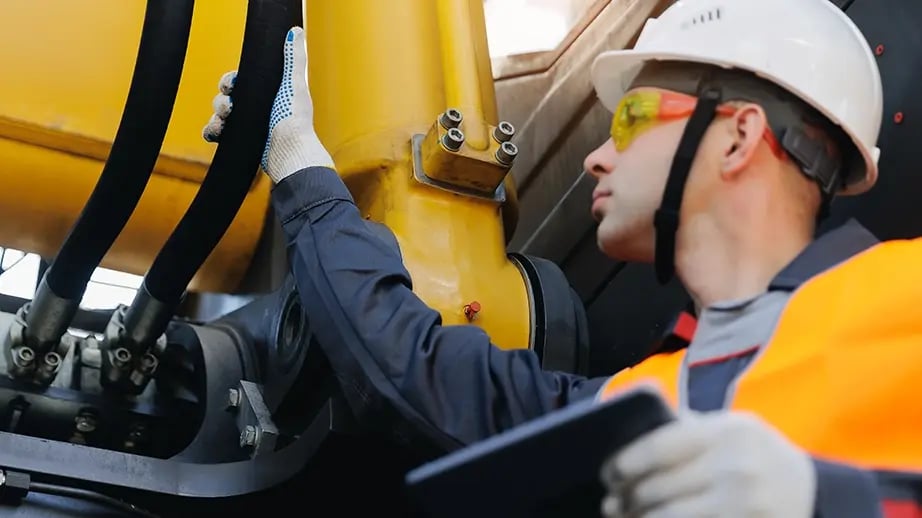
Technology is no longer the bottleneck for digital transformation. The real test is whether we are designing our strategies around human resilience as intentionally as we do around automation. This is the core of Industry 5.0: A factory cannot be truly ‘intelligent’ if it fails to protect the people who are running it.
To get there, we need a massive mindset shift. For years, advanced safety systems were treated as a cost centre rather than a long-term investment. For instance, in the early years of Advanced Driver Assistance Systems (ADAS) adoption, many automotive and commercial fleet operators viewed advanced safety technologies as expensive compliance add-ons rather than long-term strategic investments, despite later evidence showing substantial operational and financial returns.
In today's highly integrated plants, the cost of downtime, workforce disruption and instability is simply too high. Predictive safety tools change the equation by substantially reducing these risks while boosting process continuity and worker confidence. Crucially, they build trust between teams and automated systems as workflows change rapidly.
Doing this successfully comes down to infrastructure design. Critical safety decisions need to happen instantly at the edge, where connected systems can assess live conditions and trigger alerts in real time. At the same time, the cloud helps AI models learn from large volumes of operational data and continuously improve. This balance between real-time responsiveness and long-term intelligence is becoming the foundation of modern industrial safety.
"Industry 5.0 is moving businesses away from reactive safety models toward a more predictive and people-first approach, where preventing risk matters as much as improving efficiency."
The companies that will lead this transition are not simply the ones investing in smarter machines, but the ones using technology to create safer and more resilient workplaces for their people. The question is no longer whether technology can protect workers. It is whether companies have the will to design it that way.
Find out more about Tata Communications' Employee Health & Safety solutions here.