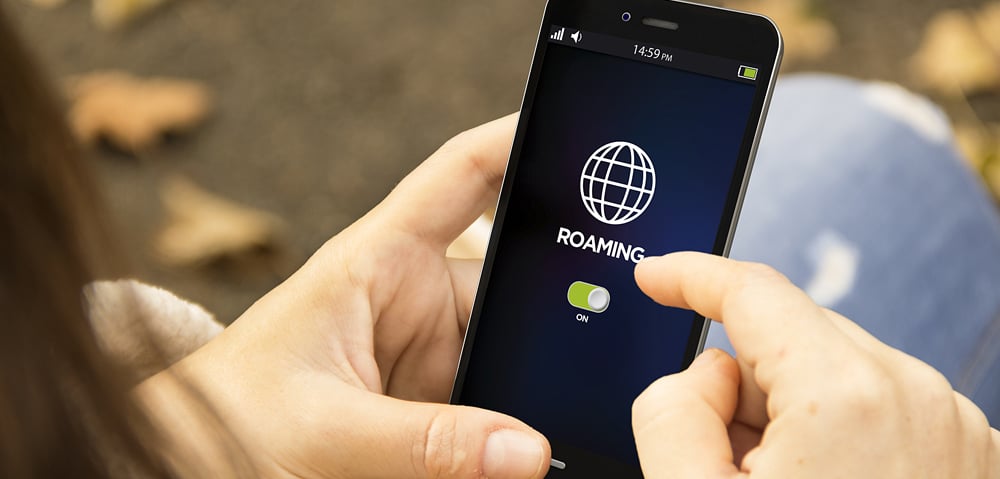
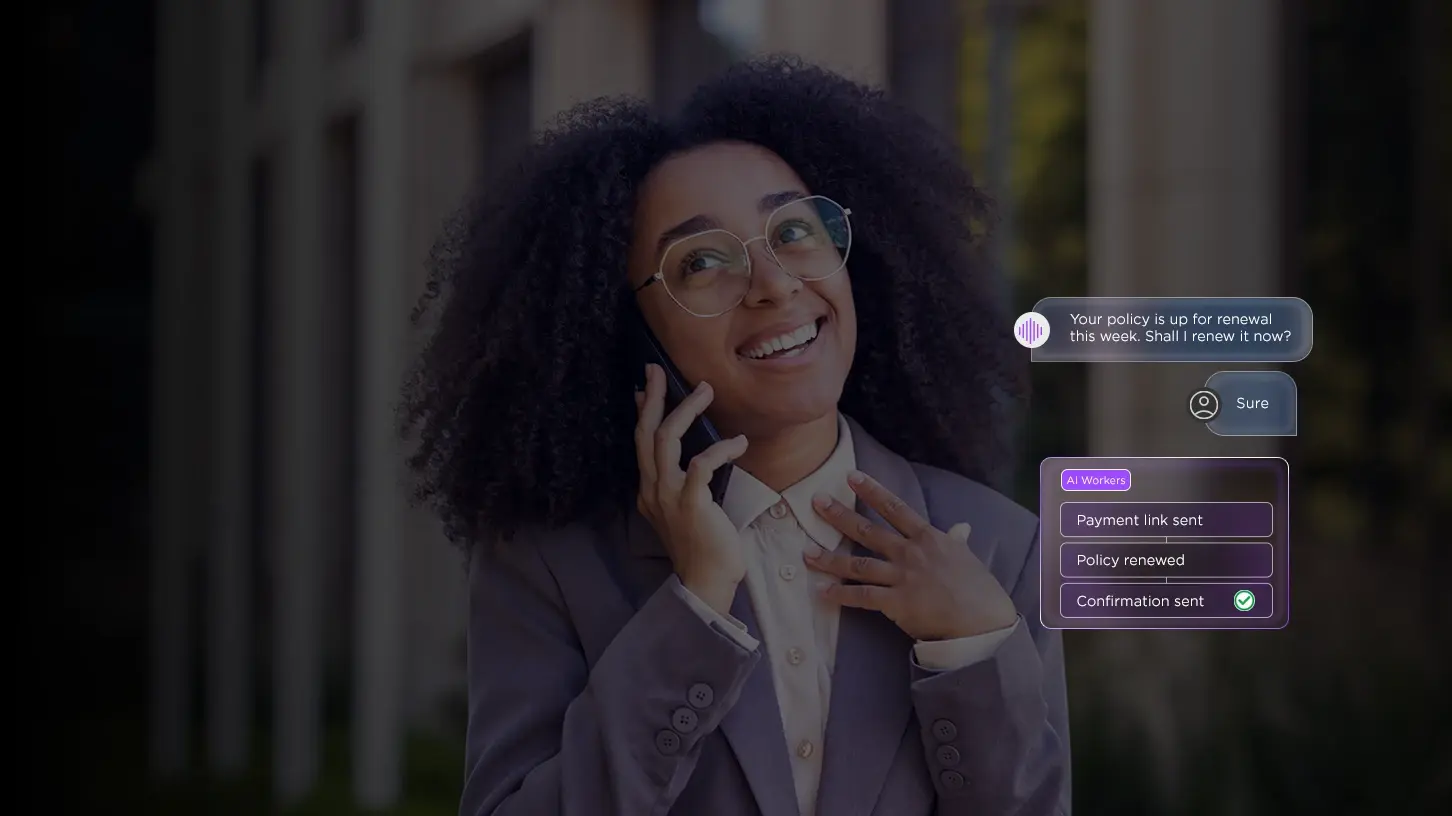
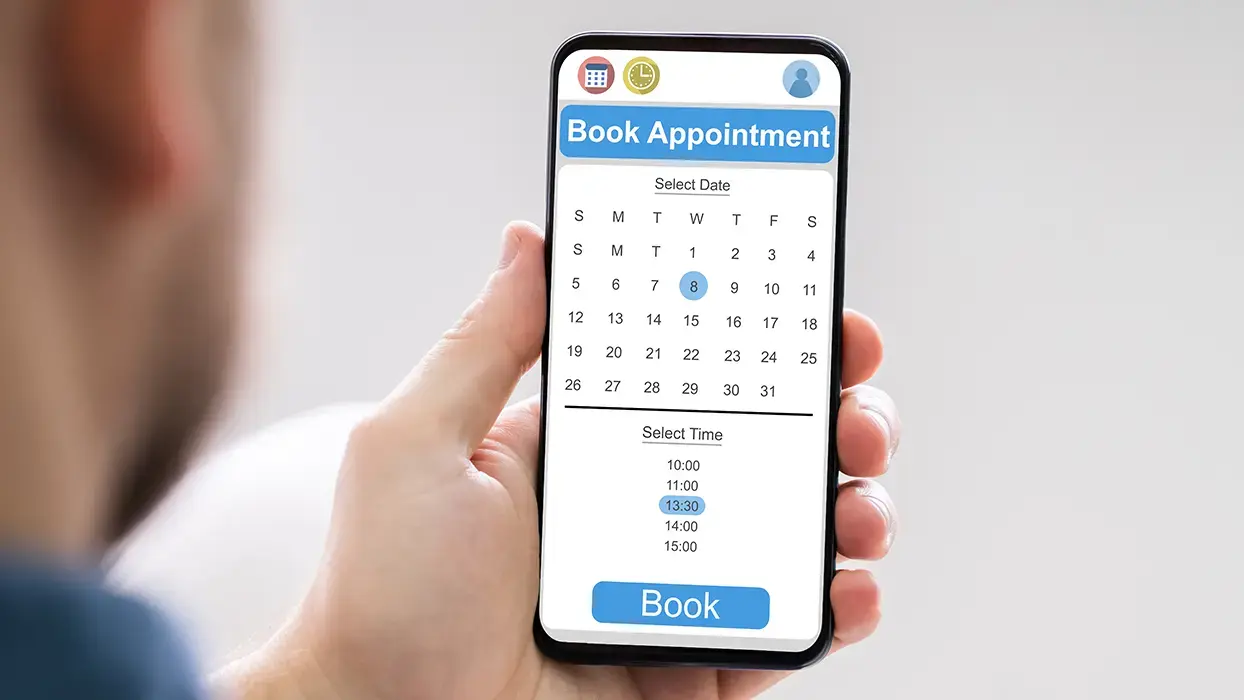
In today’s hybrid and mobile-first work environment, communication is constant — but how we manage it matters more than ever. Imagine a project manager at a fast-growing startup who thought using her personal phone for work would be convenient. But over time, she found herself answering client calls late at night, juggling work messages during family dinners, and feeling like she could never truly disconnect. Her story is common. Many employees still rely on personal mobile numbers for work-related calls and messages, unaware of the challenges this creates around privacy, professionalism, compliance, and operational efficiency.
One of the biggest concerns is privacy. When employees use personal numbers for work, they expose their private contact details to clients, vendors, and colleagues. This blurs boundaries and often leads to after-hours calls and increased stress. A dedicated business number helps maintain a clear separation between personal and professional life, allowing employees to disconnect when needed and protect their privacy.
"Professionalism is another key factor. A business number projects a more structured and reliable image. It enables consistent branding across caller ID, voicemail greetings, and messaging. Whether it’s a direct line or a virtual number, it signals to clients that they’re engaging with a well-organised and credible business — not just an individual."
Compliance and security are especially critical in regulated industries. In telemarketing, for example, the U.S. Federal Trade Commission’s Telemarketing Sales Rule requires businesses to maintain accurate records and comply with Do Not Call provisions. In financial services, regulations like the Telephone Consumer Protection Act (TCPA), SEC Rule 17a-4, and FINRA guidelines mandate that firms retain and supervise all business communications — including calls and texts. Personal phones make it difficult to meet these requirements. In healthcare, HIPAA regulations strictly govern how Protected Health Information (PHI) is accessed and transmitted, and personal devices pose a high risk of data breaches if not properly secured.
From an IT standpoint, personal devices are harder to manage and support. Business numbers tied to company-managed devices or apps allow IT teams to enforce policies, provide support, and control access more effectively. They also improve continuity. If an employee leaves the company, their personal number goes with them — along with any client relationships tied to it. A business number remains with the organisation, ensuring smooth transitions and uninterrupted service.

Fortunately, the market offers a wide range of business numbering solutions that make life easier for both companies and employees. These include VoIP-based systems, virtual phone numbers, and cloud-based communication platforms. Service providers offer flexible plans that support remote work, team collaboration, and customer engagement. Features like call routing, voicemail-to-email, AI-powered transcription, and CRM integration are now standard, making communication smarter and more efficient.
Virtual phone systems are especially popular among small businesses and start-ups. They allow employees to make and receive calls from any device — mobile, desktop, or desk phone — while keeping their personal number private. Cloud-based systems also offer scalability, cost savings, and seamless integration with business apps, helping teams stay productive without switching platforms.
In conclusion, while using personal mobile numbers for work may seem like a quick fix, it’s not sustainable — and in many cases, it’s not compliant. A dedicated business number protects privacy, supports regulatory compliance, enhances professionalism, and improves operational efficiency. As remote and hybrid work models continue to evolve, organisations should prioritise equipping employees with the right tools — starting with a business number that keeps work and life in balance.
Explore Tata Communications Kaleyra Phone here