


Understanding the pros and cons of SMS Short Code and Long Code will help you choose a communication solution that works for your business. Text marketing is constantly...
SMS vs MMS: What's the difference and when should you use each?
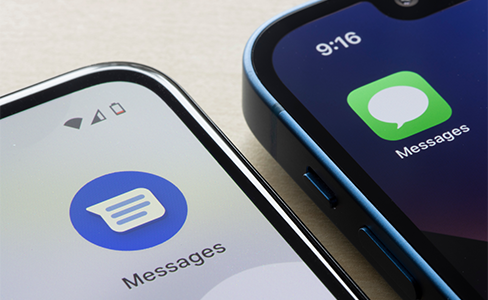
When it comes to mobile messaging, knowing the difference between SMS and MMS can help you choose the right method to reach your audience. SMS is great for short, quick texts, while MMS lets you send images, videos, and other media. Each serves a different purpose, depending on your business goals. Choosing wisely can improve customer engagement and message clarity. Platforms like Tata Communications and Kaleyra provide reliable tools for managing both SMS and MMS campaigns at scale. Understanding how and when to use them helps businesses communicate better and create a stronger impact through mobile messaging.
Understanding SMS
SMS, or Short Message Service, is one of the most widely used forms of mobile communication. It allows businesses to send text-only messages of up to 160 characters directly to a user's phone. It's simple, fast, and doesn't require an internet connection, making it ideal for time-sensitive alerts, reminders, or one-time passwords. Because SMS reaches almost every mobile phone, it's a powerful tool for mass communication. It's also cost-effective and easy to manage through platforms like Kaleyra and Tata Communications, which offer reliable delivery and bulk messaging features. For clear, quick updates, SMS remains a trusted choice.
Understanding MMS
MMS, or Multimedia Messaging Service, allows businesses to go beyond plain text by sending images, audio, video, and longer messages straight to a user's mobile device. It's ideal for promotions, product showcases, or visual storytelling that instantly grabs attention. Unlike SMS, MMS supports rich content, making messages more engaging and impactful. This format is particularly useful in retail, entertainment, and marketing campaigns where visuals play a crucial role. With solutions from providers like Kaleyra and Tata Communications, businesses can manage MMS campaigns efficiently, ensuring smooth delivery and wide reach. If you're aiming to leave a stronger impression, MMS is the smarter choice.
Choosing the wrong SMS message type can hurt delivery rates and customer trust. Find out which one your business actually needs.
Key differences at a glance
Understanding the difference between SMS and MMS enables businesses to select the most suitable format for their messages. With trusted platforms like Tata Communications and Kaleyra, managing both is simple and effective. Below, we explain the difference between SMS and MMS clearly, focusing on message type, character limits, and delivery.
Message type
The primary difference between MMS and SMS messages lies in the type of content they permit. SMS supports plain text only, ideal for simple alerts, updates, or reminders. MMS allows you to send images, videos, and audio, making it ideal for marketing, product launches, or visual content.
Character limits & file sizes
SMS has a strict 160-character limit, which works well for short, focused messages. MMS, on the other hand, allows much longer text and supports media files up to around 5MB. This gives more space to explain offers, share images, or create visually rich content.
Compatibility & delivery
SMS is supported on every mobile phone and doesn't require an internet connection, making it the most reliable option for a wide reach. MMS needs a data connection and may not display properly on older or basic devices. With providers like Kaleyra and Tata Communications, both types can be delivered smoothly, with full tracking and support.
Also Read: RCS vs SMS: What’s the Difference?
Which one should you use for your business?
Choosing the right message format depends on your content, audience, and goals. Once you understand what is the difference between MMS and SMS text messages, you can make smarter choices for better communication. Platforms like Tata Communications and Kaleyra make it easy to manage both, helping businesses send the right message in the right way.
Types of message content
If your message is just text, like an OTP, alert, or reminder, SMS is the ideal choice. It's quick and simple. However, if your message includes visuals such as product images, videos, or branded content, MMS adds the extra impact you need to stand out.
Audience device capability
SMS reaches all mobile phones, including older models without internet access. MMS, however, needs a smartphone and data connection to display properly. If your audience includes a wide range of devices, SMS is a safer and more reliable option.
Budget and costs
SMS is more affordable and suitable for businesses that send messages in bulk or on a tight budget. MMS is more expensive but works well when you need to impress customers with rich media. Your budget should guide your choice.
Urgency of message
For urgent messages that need immediate delivery, SMS is faster and more reliable. MMS may take longer to send, especially with large files or slow internet. If timing is critical, SMS is the better option.
Marketing goals
If you're promoting a product, running a campaign, or trying to catch attention, MMS is more effective with visuals. For sending simple updates, SMS keeps things short and direct. Pick the format that matches your business objective.
Conclusion
When it comes to reaching customers through mobile, choosing between SMS and MMS can make a big difference. While SMS is best suited for short, text-only messages, MMS allows you to send rich media, such as images and videos, for a more engaging experience. Understanding the difference between SMS and MMS helps you plan better campaigns based on your goals, audience, and budget. Platforms like Tata Communications Kaleyra offer powerful tools to manage both formats, helping businesses make smart choices with ease. Whether it's a quick alert or a visual promotion, knowing the SMS vs MMS benefits can improve your communication strategy.
Related Blogs
Use our customer experience tool to know exactly where your CX stands today and what needs to change.
Related Blogs
Use our customer experience tool to know exactly where your CX stands today and what needs to change.
Explore other Blogs
Leading insurance providers across the globe are embracing digital solutions and customer-centricity for business growth and success. Timely and relevant communication...
A concatenated SMS (Short Message Service) refers to joining multiple messages to overcome the character limit of an SMS message (160 characters). With SMS...
What’s next?
Experience our solutions
Engage with interactive demos, insightful surveys, and calculators to uncover how our solutions fit your needs.
Exclusively for You
Get exclusive insights on the Tata Communications Digital Fabric and other platforms and solutions.